Natural Hair Q&A with cosmetologist Ladosha Wright
Thinking about cutting it off? Terricha speaks with a local cosmetologist about…
Written by Terricha Phillips
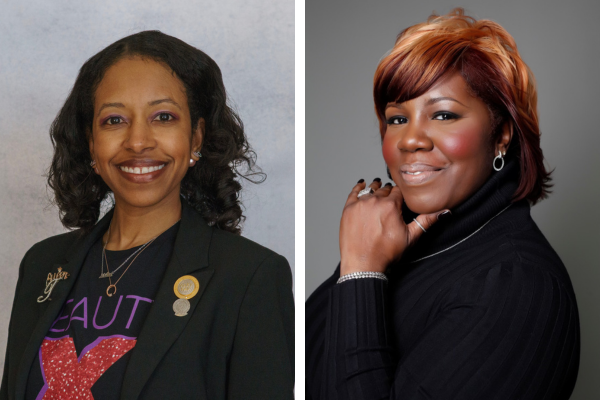
I asked cosmetologist and documentarian Ladosha Wright for insight on the impact of a Big Chop on mental health and enjoyed learning about Afro Haircare. Wright shares knowledge and wisdom with clients and the community in the salon, on social media and in her books, “Curly Hair Adventures” and “What They Don’t Tell You at the Hair Salon.”
1. In your experience as a cosmetologist, what are the most common reasons your clients consider getting the Big Chop?
My experience reveals the most common reason men and women do the “Big Chop” is the belief their hair is damaged and cutting it off would give them a fresh start.
2. In your opinion, what is the state of the natural hair movement today, and where does the Big Chop fit in as a go-to style?
In my opinion, the natural hair movement is pretty much a big joke. Their antics have been exposed and debunked. Not many people trust them anymore. The natural hair movement was pretty much an anti-chemical movement. Because they stole so much lingo from cosmetology, that began the demise of their movement. I have not heard much about the “Big Chop” in about 8 years.
3. There are people who are aware of their hair health and undergo a Big Chop to start over and grow stronger hair. What is the mental health aspect someone may or may not consider as part of their motivation for such a drastic change?
For the most part, people are fine with their hair. Many men and women have grown up without the concept of a haircare regimen. As they enter into the world of caring for their hair themselves, most are overwhelmed with the time, skill set, products, and cost of products their hair requires. In addition, many parents are not aware of the role they play in their children’s understanding of the process of what they have to do to care for their hair as they grow up. Because no one was brought into the Americas with a toiletry bag, the confusion of the who, what, when, where, why, and how of Afro hair care is confusing for most.
In conclusion, having an African-centric approach to understanding the who, what, when, where, why, and how of Afro hair is definitely a mystery to most; given the role and control Whites have over the hair care industry, education, and manufacturing. There was a time when we did have a Black Hair Care industry, but thanks to the natural hair movement, they annihilated that, it’s legacy, and have sold all their kitchen concoctions to Proctor & Gamble.
4. You are on a mission to provide accurate information to people ignorant of the science behind our unique hair types. What is “afrophobia” and how can Black people grow their scientific knowledge of how to maintain healthy hair?
Afrophobia is the fear of Afro hair. The best way Black people can get scientific knowledge about Afro hair is to watch and subscribe to our Afro Hair Science YouTube channel. Licensed professionals can plan to attend the Afro Hair Science Summit 2024 this year in Cleveland. Last year was our first summit and it was a huge success.
5. When it comes to economic reasons a Black person decides to have a Big Chop, what are the hidden costs for maintaining healthy hair without using any chemicals?
There are no hidden costs. I professionally and personally am not aware of haircare without any chemicals for city dwellers living in the various concrete jungles. I guess if someone is forging and living off the land in the Himalayas or the woods, they could definitely scour and find some soap root plant and go for what they know. They could also attempt to find some marshmallow root or algae to help comb through the hair. Though that is only available in certain regions. In addition, they could extract tallow (bone marrow) from a goat to concoct some ghee butter to soften their hair. Other than that, anything purchased from any store will have at least one chemical and if it doesn’t, I would not use it. Given the amount of hair products by way of wax, gels, and cremes – in addition to all forms of hair additions – chemicals in haircare and hairstyling products are a definite plus!
As long as the person has the right product, the right tools, and the right techniques with some assistance and guidance as needed, all is well. Spend within their personal budgets. Shampoo is shampoo is shampoo; it’s all soap, so don’t spend too much money because it’s all going down the drain.
In conclusion, life after a Big Chop brings some measure of freedom and responsibility, so researching haircare products and intentionally maintaining good hair health is key for whatever styles you create. Consulting a professional can only help someone in their natural hair journey, and that person can be found in your backyard. Onward and upward to healthy coils!
The future of Black Girl in CLE depends on you.
From arts and culture to education, health and community news, we believe our stories deserve to be told with care and authenticity.
Help us tell our stories
Author

