Cleveland Musicians Reflect on their Experiences on the Black Cleveland Music Scene
Black musicians and historians reflected on Cleveland’s rich musical legacy, challenges, and future during a Juneteenth forum at the Rock & Roll Hall of Fame.
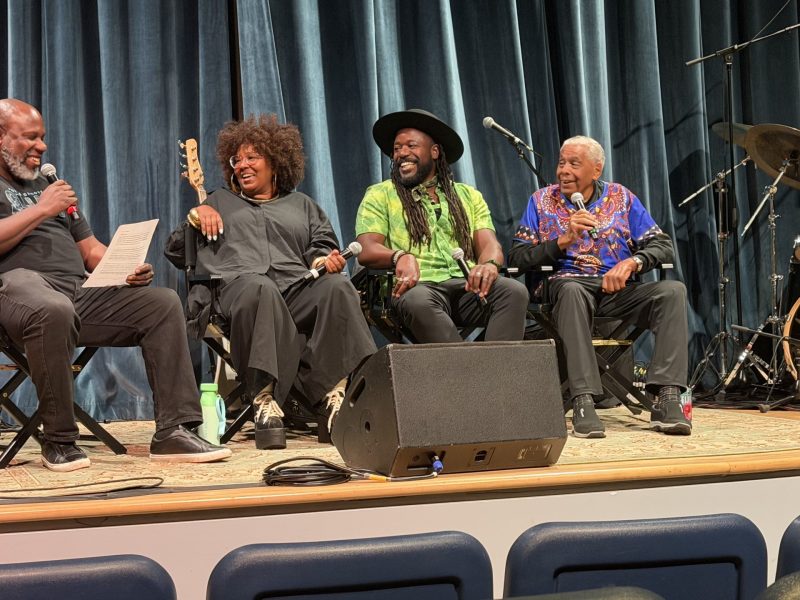
Rock and Roll Hall of Fame panel reflects on the Black Music scene and discusses its current state
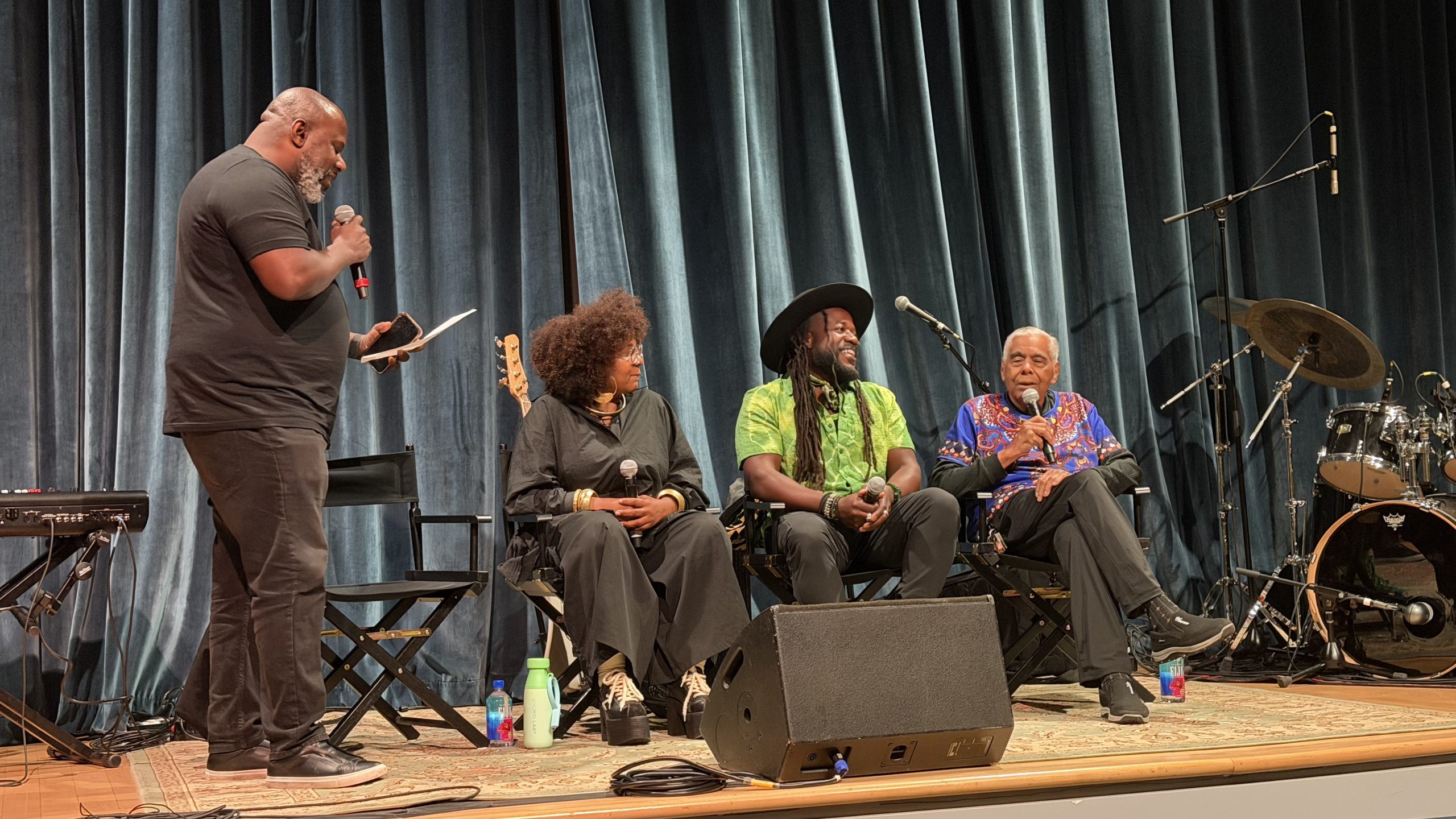
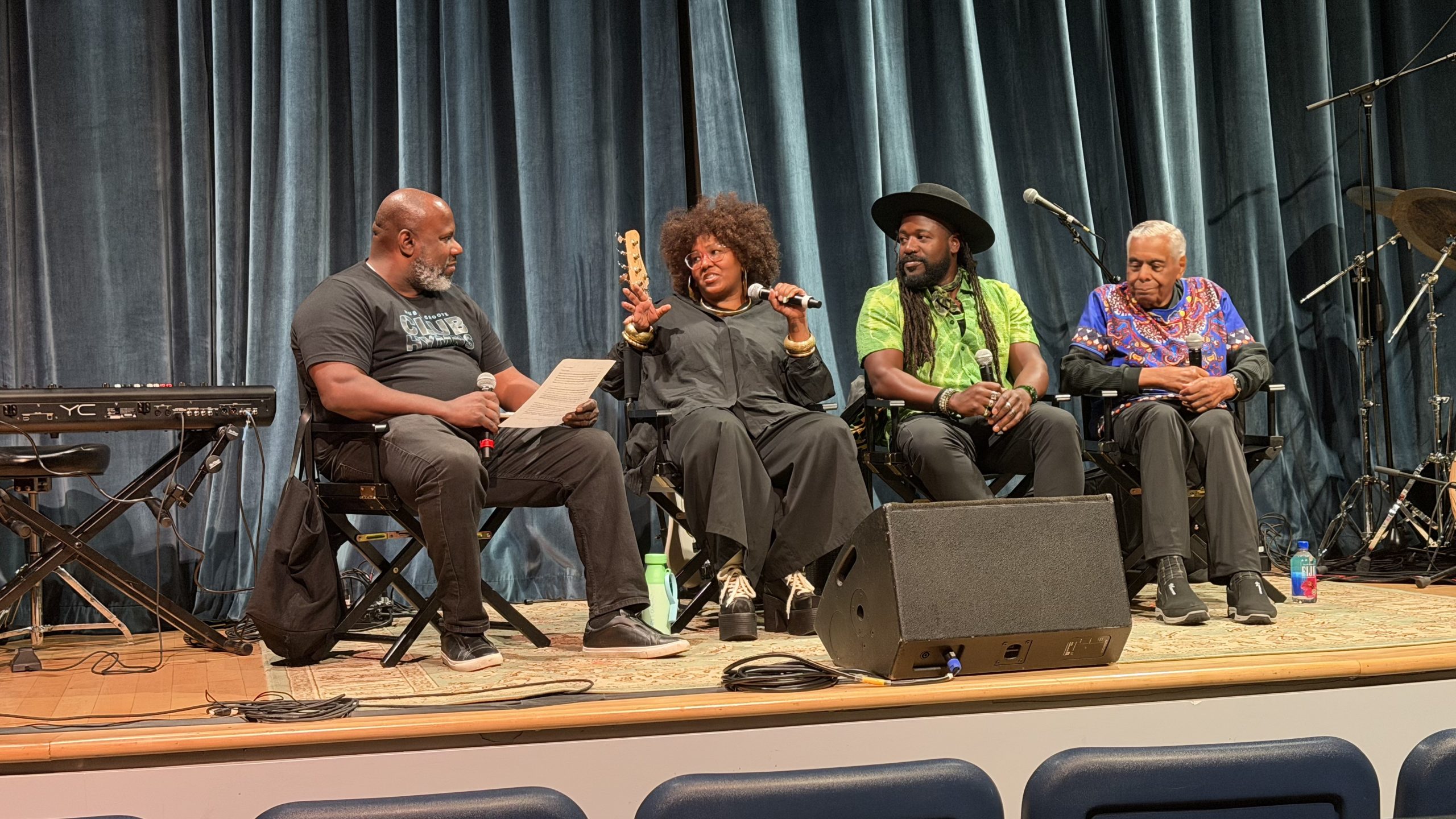
Last week, the Rock and Roll Hall of Fame hosted a “Black Music in Cleveland: Past, Present and Future” forum in light of Juneteenth. The panel was moderated by Robert Hubbard of Hubb’s Groove alongside musicians Jul Big Green, LaToya Kent of Mourning A BLKstar and Dwyte Paris of Blue Velvet Ensemble.
Paris, recounted the early days of Playhouse Square, where he got to witness Josephine Baker and Count Basie perform, “I’ll never forget Josephine Baker with those balloon pants she danced across the stage.” Paris also revealed he had the chance to meet famous disc jockey Alan Freed who broadcasted at WJW during the 1950s.
Alan Freed is credited with popularizing the term “Rock and Roll,” and desegregating the genre by broadcasting Rock and Roll music to white audiences and arranging live shows where racially diverse audiences would attend. He also began playing R&B records to mass audiences, which foundationally changed Rock & Roll. Freed’s “The Moondog Coronation Ball,” which was held in 1952 at the Cleveland Arena is also considered one of the first major rock and roll concerts.
Black people in Cleveland at the time often lived on the East Side of Cleveland, from 40th up to 105th street, according to Paris. Many Black performers stayed in Carnegie Hotel at the time, but his first encounters with real segregation didn’t happen until he joined the US Navy. Around that time, he and some other men formed the group “The Champlains,” based on the USS Lake Champlain. The doo-wop group was most known for their song, “Ding Dong/Have You Changed Your Mind.”
Green described his brother as “One of the first Black men with straight hair,” and described his brother as playing in many punk and emo bands as he was coming up. Kent said she was the only other Black person in Cleveland at the time playing punk rock music in the 90s, which came with its own challenges.
Kent described a time at Euclid Tavern where she was kicked out, “The first time I played the Euclid Tavern, I got kicked out because they didn’t think that I was supposed to be there,” and went on to explain there were certain venues Black people didn’t really perform in. She was the only Black person a part of the band, Clear and said, “I was the only black person in that band, so sometimes, like my Euclid Tavern situation, they just didn’t think that I was supposed to be there.”
After moving around, changing genres and changing bands, she alongside RA Washington created the Cleveland Tapes label to platform their music on their own terms, under their own control.
Green recounted his time as a part of a Hip-Hop group which would only get booked next to other Hip-Hop acts. He enjoyed being booked with a variety of other acts across genres, but at the time, genres were very defined and confined to a particular sound and look. “I noticed there was a lot of like ‘This style stays here, this style stays here,’ and I wanted to try and break that up,” Green said.
Playing a blend of genres still is an issue. Green described difficulty with algorithms being unable to distinguish and place his music. Therefore, he prefers doing live music as opposed to recording music.
Both Kent and Green described their earlier years on the Cleveland music scene as less community oriented and more “gatekeep-y.” Hubbard agreed, noticing other cities at the time were more supportive of their fellow artists, whereas Cleveland was more cliquey.
Hubbard also had his own experiences with being stuck in boxes as a drummer, being expected to only be a jazz drummer. “It seemed like they wanted to keep you in either one, you just had to stick with one, you couldn’t do all of them, and I was the rebel trying to do all of them.” He also spoke to the cliquey nature of Cleveland coming up, as musicians on the East side and West side kept to themselves.
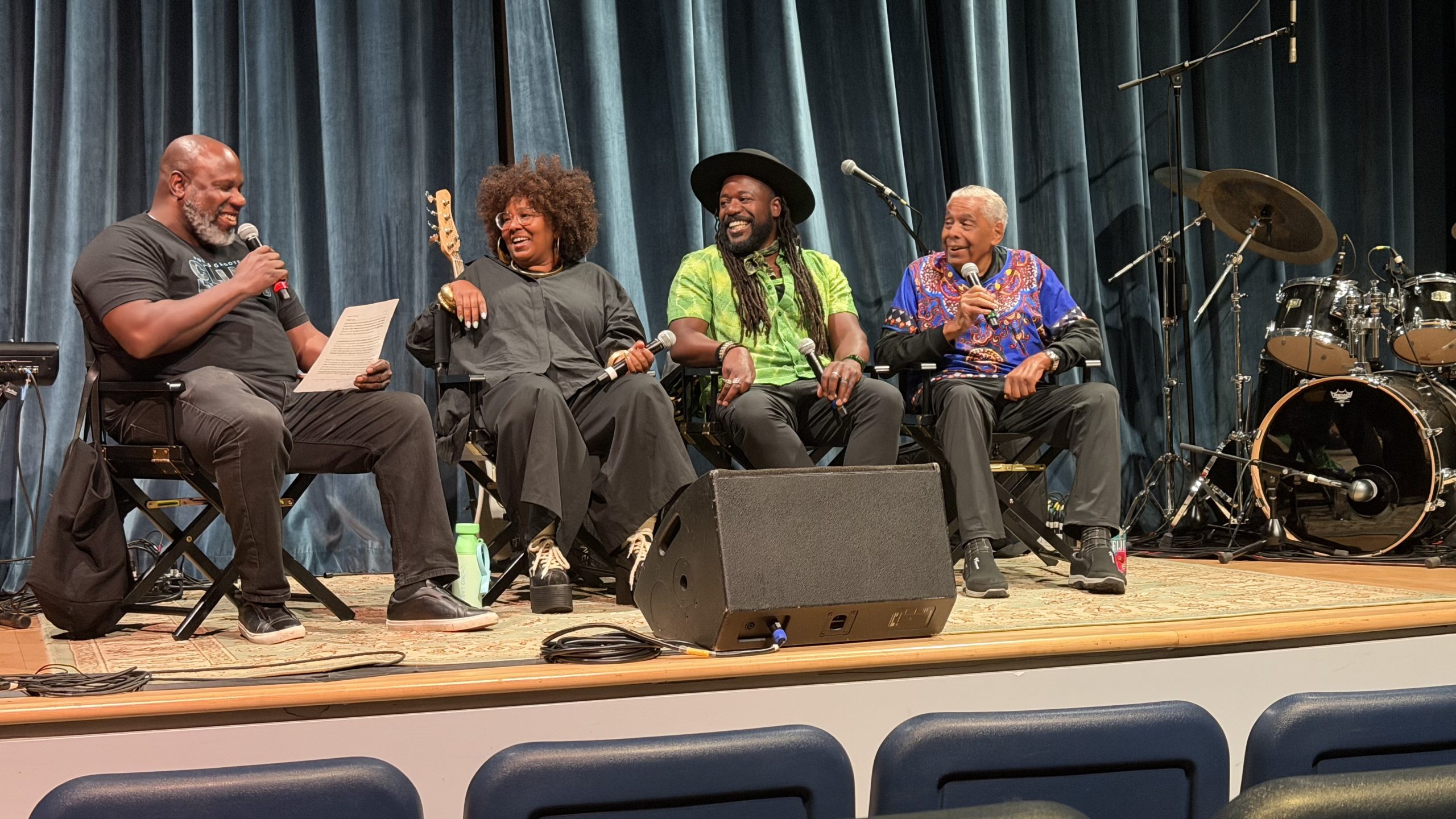
Hubbard recalled hearing stories of Art Tatum, Jimi Hendrix, Bobby Womack and other famous musicians coming to Cleveland and playing at various spots such as Café Society.
The Cleveland scene now is a lot less cliquey, and boasts big talent, “Cleveland is hot, Cleveland just doesn’t know how hot it is,” said Hubbard. Recently, Cleveland native, Durand Bernarr, who Hubbard once taught drum lessons to, won his first Grammy. The two are gearing up for Tri-C JazzFest to perform a Gerald Levert tribute.
The panel also discussed how the current scene is helpful, assisting each other in getting their songs on ITunes, streaming the radio and building stronger connections throughout the city. Their biggest piece of advice to help the Cleveland scene thrive was showing up to live shows and supporting that way.