

by Denise Holcomb
Since the start of the COVID 19 pandemic, many of us have discovered some truths about mental health and mental illness. Our views are shifting to remove the myths surrounding mental illness. People of all backgrounds and demographics are beginning to come face-to-face with the truth that mental illness is real.
September was Suicide Prevention Month, and October 4-10 was Mental Health Awareness Week. October 10th was World Mental Health Day. Suicide is one of the top ten leading causes of death in the United States, according to the Center for Disease Control and Prevention(CDC).
In the African American community, very little attention is given to mental health or suicide. Yet, the rate of suicide in the African American community is increasing yearly and the highest rates are among our males.
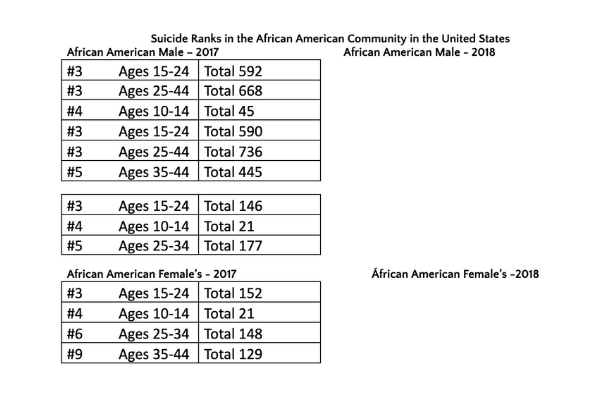
According to the Department of Health and Human Services Office of Minority Health (OMH), “the poverty level affects mental health status. African Americans living below the poverty level, as compared to those over twice the poverty level, are twice as likely to report psychological distress. African Americans are 20 percent more likely to experience serious psychological distress such as major depression, suicide, PTSD, and anxiety than non-Hispanic whites.”
“It’s not a joke, it’s real” is what I thought about naming this article. 2020 is a wake-up call for everyone. This pandemic did not stop at one country, it went worldwide. This year due to all that is going on, people have to admit mental illness is real. Depression and anxiety have impacted our lives. This new norm has changed the way we think, live, behave, and go about our everyday lives.

Mental illness is no different than having cancer, hypertension, diabetes, or any other illness. When a person has cancer, people show compassion, they care, and support the person through the illness. Mental illness is a disease that attacks the mind instead of the body. According to Psychology Today, “most suicides are linked to some form of psychiatric illness, particularly depression, and the more severe the depression, the greater the risk.”
Now, that leads me to my final point of this article, how can we as a community begin the process of understanding the pain of living with a mental illness? Mental illness carries with it a pain that is not visual to the human eye. But, it is there, and it is real. Let’s start having conversations about the myths and truths about mental illness. Look forward to more articles, resources, and training opportunities on mental illness, mental health, and suicide prevention as together we learn how to lower our rates and seek out ways to become more open to the pain of mental illness.
Denise Holcomb, Founder of Removing The Stigma. For more information, visit the website at www.thejourney4me.com. This story was published and licensed from The Cleveland Observer