
Four Anti-Protest Bills in the Ohio Statehouse That You Should Know About
Lawmakers in Ohio have introduced four anti-protest bills that could have serious consequences…

by Ashley Sowers
Have you heard of the four bills being referred to as the “anti-protest bills?” If you have, great job keeping up with important issues—read on to solidify your understanding of each one. But if you haven’t heard of these bills, you are not alone! What follows is a breakdown of each bill and some key takeaways.
But first, what is a bill?
Click here to watch I’m Just a Bill from School House Rock
This topic is too important to assume everyone knows. A bill is proposed legislation that is under consideration to become an official law. What does this mean? If you feel strongly about the information provided in this article, there is still time to make your voice heard.
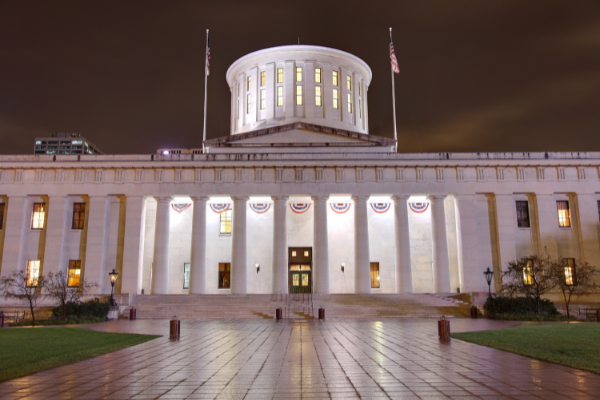
The Ohio Statehouse where legislation has been introduced
About this group of bills
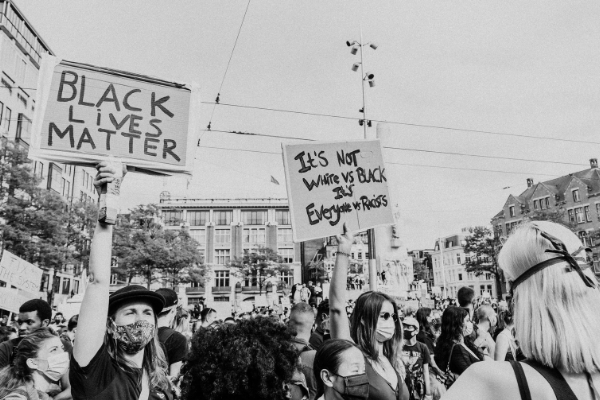
Last summer was extremely heavy. In the midst of dealing with the plight of the pandemic, Black Americans (and allies) risked their health and safety as protests against police brutality erupted across the country. Many have noted that the Anti-Protest Bills are an obvious reaction to last summer’s protests. Supporters feel that the bills are needed to protect peaceful protestors and first responders. Even so, the U.S. Crisis Monitor reported that 93% of the more than 7,750 demonstrations across the country between May and August of 2020 were not considered violent or destructive—and there were no fatalities reported in Ohio. Opponents have expressed that the bills are a way of intimidating and discouraging those who might otherwise participate in forms of protest.
House Bill 22
Bill: Expands the offense of obstructing justice to include failure to follow a lawful order from a law enforcement officer, diverting their attention, and throwing an object at them.
Key Takeaways: Opponents fear this may stop people from stepping in when they witness injustice by law enforcement, as they could face legal consequences themselves.
House Bill 109
Bill: Also known as the Ohio Law and Order Act, HB 109 increases penalties for certain riot offenses, prohibits intimidation of first responders and permits peace officers to bring civil suits against those participating in a riot.
Key Takeaways: Ohio’s definition of “riot” is very subjective. For example, according to this bill 5 or more people blocking an intersection could be considered a riot. Organizations that support protesters can also be prosecuted, leading to the dissolution of the organization and seizing of its assets. Additionally, this bill includes similar language to that of anti-terrorism laws formed after 9/11—“[equating] people who engage in civil disobedience at almost all levels with terrorists,” according to chief lobbyist with The American Civil Liberties Union (ACLU) of Ohio, Gary Daniels, at an Ohio House Criminal Justice Committee hearing earlier this year.

Senate Bill 16
Bill: Prohibits the assault or menacing of an emergency service responder, family member, or co-worker. Creates a new criminal offense of “unlawfully impeding public passage of an emergency service responder.” And finally, includes the Casino Control Commission gaming agents as peace officers.
Key Takeaways: A conviction could lead to a fine of up to $1000 or 180 days in prison. This Bill adds new penalties for acts that can already be charged under the current law. Sentiments are that this bill is not as high of a priority since the provisions that originally sparked concern from the ACLU were removed before its passing.
Senate Bill 41
Bill: Requires restitution or reimbursement for certain crimes.
Key Takeaways: Anyone who is convicted for rioting that leads to the destruction of property will be sentenced to pay back the value of that destruction, in addition to the cost for law enforcement to respond.
What next?
Check back with Black Girl in the CLE for additional stories on this topic and other legislation impacting our community.
Share your opinion with your Ohio State Representatives regarding these anti-protest bills. Find out “Who Represents Me?” by entering your information.
Discuss the information you read in this article with someone you know and encourage them to do the same!
Listen to our podcast interview with State Representative Boyd for additional discourse.
This piece appears as part of Amplify Ohio, a collaborative with The Buckeye Flame, Black Girl Media, and ColumbusBlack.com, and sponsored by Local Media Association.