
‘Let ’Em Know’: What CMSD’s State of the Schools address means for families
What has changed since CMSD’s school closures and mergers? Dr. Warren Morgan outlined expanded student opportunities during his “Let ’Em Know” address.
Dr. Warren Morgan highlighted expanded opportunities after school closures and mergers. In a follow-up interview, he explained how parents can stay connected and ask for more.
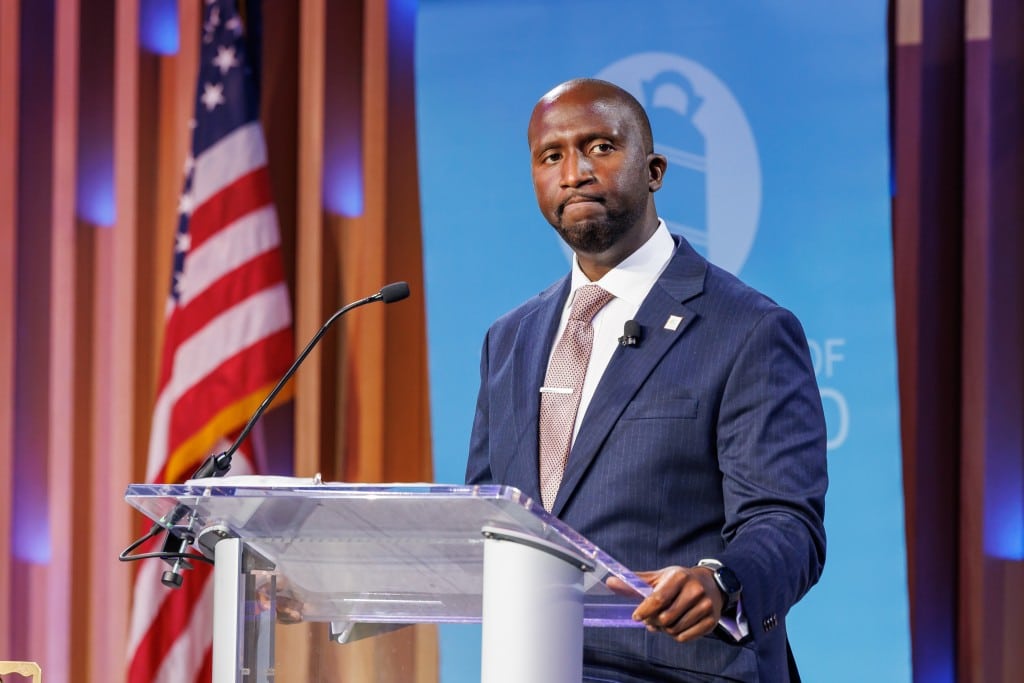
Cleveland students have more opportunities to explore careers, take advanced classes and participate in school activities, according to Cleveland Metropolitan School District CEO Dr. Warren Morgan. Now, he wants families to know what is available and help ensure their children can participate.
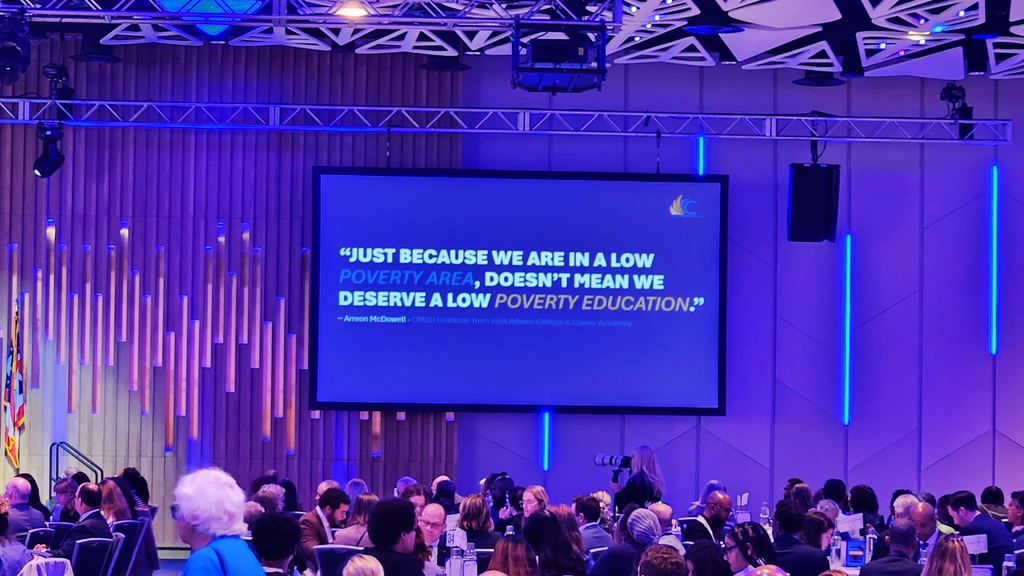
That was a central message of Morgan’s “Let ’Em Know” State of the Schools address, delivered Oct. 15, 2026, to a full house that included students and community partners at the Huntington Convention Center of Cleveland.
Speaking as part of the City Club of Cleveland’s forum series, Morgan called on the community to recognize students’ achievements. He also outlined progress under Building Brighter Futures, the initiative that closed or merged 29 schools while redirecting resources to expand student opportunities.
For families affected by those changes, his address offered updates on what schools now provide, along with acknowledgment of challenges still requiring attention.

More opportunities across schools
Morgan said the Building Brighter Futures initiative has expanded programs that previously were not available consistently across CMSD.
Every high school now offers at least one career pathway and Advanced Placement courses, he said. Every high school also has students participating in college credit opportunities and offers athletic options beyond esports.
At the elementary level, every school offers at least one enrichment course beyond art, music and physical education.
Morgan highlighted new teaching pathways at John F. Kennedy and James Ford Rhodes high schools for students interested in becoming educators. He also discussed expanded access to advanced math for younger students.
Offerings vary by building, but the changes could give children new ways to discover an interest, prepare for college or connect with their school community.
How parents can stay informed
In an interview with Black Girl in the CLE after the address, Morgan said CMSD is establishing parent organizations, with a goal of having one at every school in the district this year.
He encouraged families to connect with their school’s organization to learn what is happening and strengthen parent voice. Morgan said he recently attended East Clark’s first meeting, where 18 parents participated.
He described the groups as a way to share resources, support learning at home and potentially involve parents help with shaping curriculum.
Asked what families should see differently in thier schools this year under Building Brighter Futures, Morgan encouraged parents to ask school leaders which enrichment programs they offer beyond art, music and physical education.
He also urged families to ask about advanced math opportunities.
“If they’re not offering Algebra 1, ask them, why not?” Morgan said.
The next step, he explained, is exploring what would make those opportunities possible, including whether students need tutoring to prepare for advanced coursework.
Progress after difficult changes
Last year, Building Brighter Futures made headlines for the resistance from families, educators and alumni concerned about losing schools and familiar communities. Morgan acknowledged that the recommendations were painful. He said declining enrollment had left CMSD spreading resources across too many buildings while facing a $150 million budget shortfall. Consolidation, central office reductions and other savings addressed that shortfall and allowed reinvestment in student programs, he said. Morgan also reported that more than 1,300 additional students are learning in updated facilities.
He said transitioning schools worked together for months before classes began, seeking to preserve school cultures and traditions while bringing communities together. Morgan shared an account of an 11th grader who said the larger enrollment at a consolidated school made it feel like a “real high school” experience.
A record graduation rate
Morgan announced an 83.1% graduation rate for the class of 2026, calling it the highest recorded in district history. That is up from 79.6% for the class of 2025. The newer figure will appear on next year’s state report card, he said.
Those students graduated before this fall’s consolidation took effect. Their achievement represents a district milestone, but does not yet measure the academic effects of the newly consolidated schools.
Transportation and access remain challenges
Morgan acknowledged that more programs do not automatically mean every student can access them. During the formal question-and-answer session, he identified scheduling and expectations about students’ abilities as areas requiring attention.
He also acknowledged transportation problems, citing a bus driver shortage, complicated routes and CMSD’s responsibility to transport private and charter school students as well as district students.
He did not provide a districtwide timeline for resolving delays.
Financial pressure also remains, Morgan said, despite addressing the immediate shortfall.
Students will help shape what comes next
Asked what he would have done differently during consolidation, Morgan identified student voice as an area for improvement.
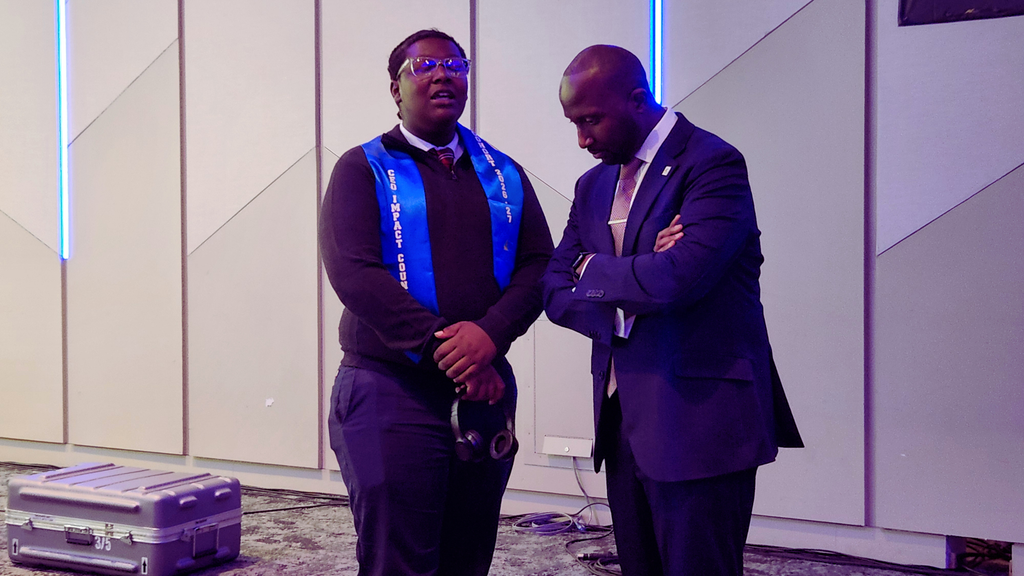
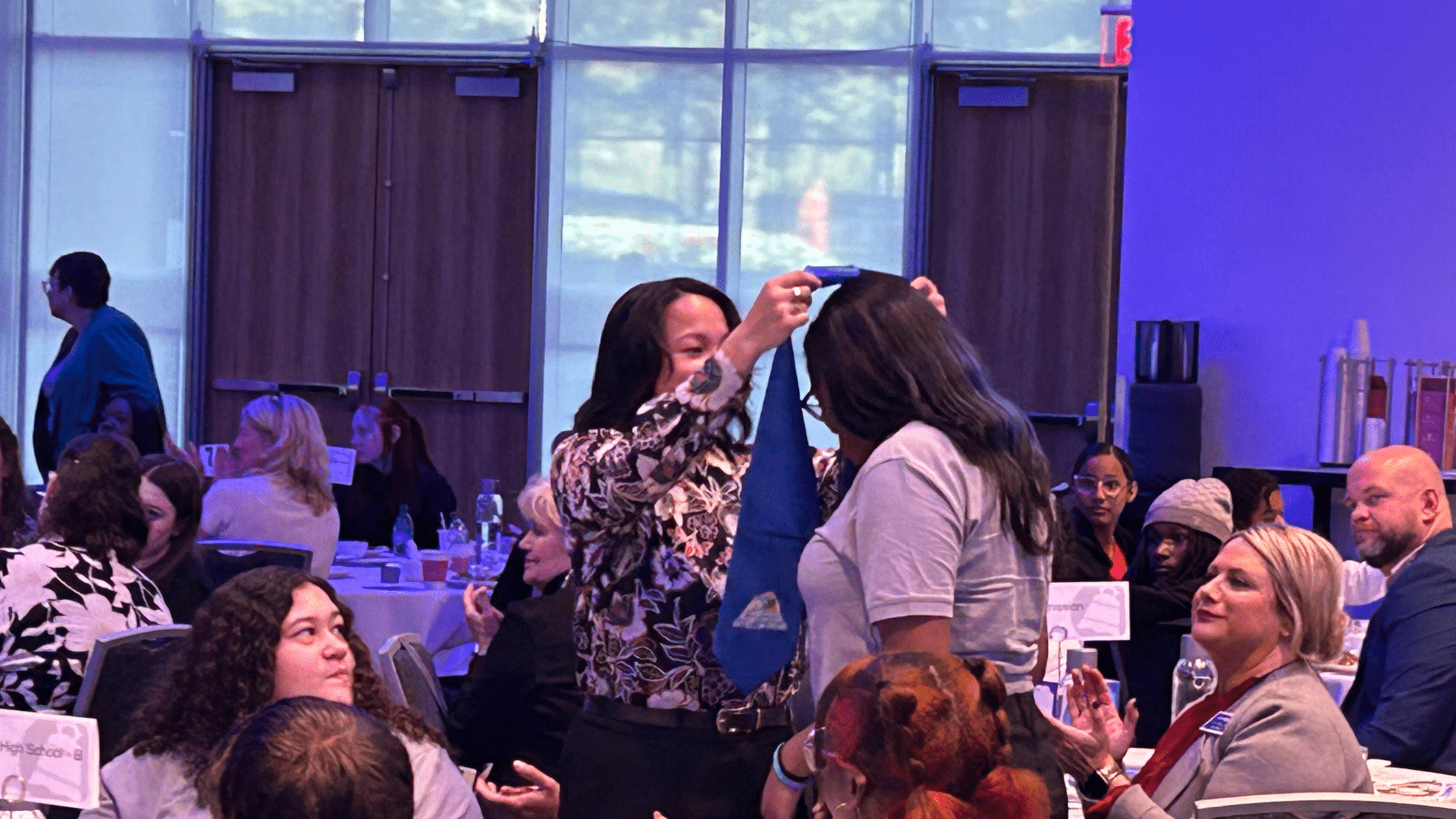
The new CEO’s IMPACT Council includes two students from each high school. Members were recognized and will receive leadership training, help lead Student Advisory Council meetings and advise Morgan about their schools.
For families, the address and follow-up interview offered both a progress report and a starting point: Find out what has been added to your child’s school, ask how children can participate and help identify the support they need to succeed.
Watch the full address
