

Written by: Jillian Holness
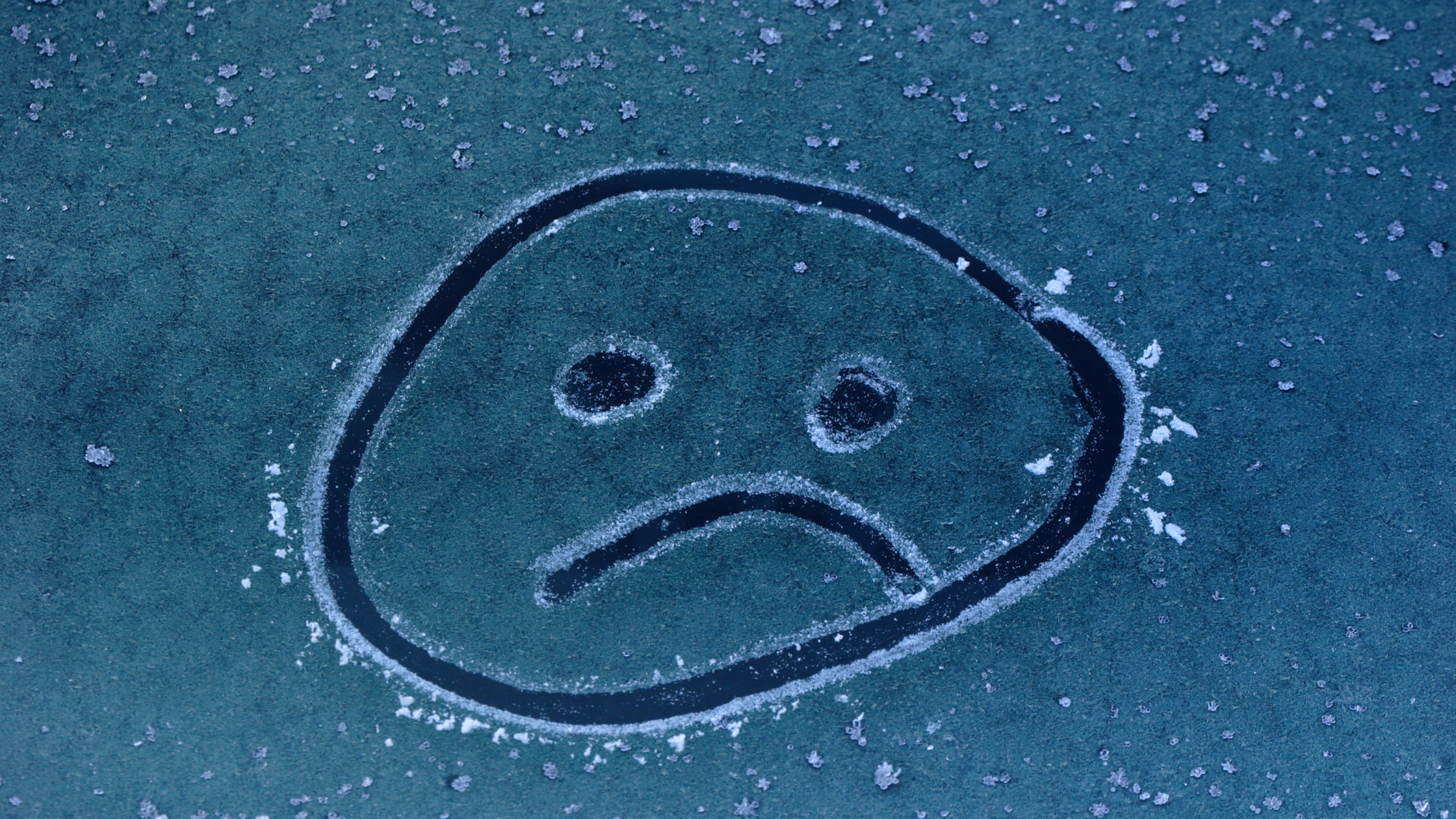
Fall and winter can be an exciting change for some people. It could mean seasonal beverages from a favorite coffee shop, a wardrobe update to match the chilly temperatures or of course, celebrating the holidays with loved ones and friends. However, for some people, the dropping temperatures and shorter days can trigger seasonal depression or seasonal affective disorder.
Kia Rai-Prewitt, a psychologist with Cleveland Clinic, says that seasonal affective disorder commonly begins in the late fall and symptoms include feelings of sadness, lack of energy, and difficulty sleeping.
Erica. K, a Florida native didn’t experience these symptoms until she moved to Ohio. Erica says her eyes felt extremely heavy. “It felt like bowling balls on my eyes,” she explains. Erica also said she experienced tiredness.
advertisement

Dr. Prewitt credits daylight savings time as a possible cause of a lack of energy. “It’s dark when you get up. It’s dark when you leave work. So you have less sunlight and that sunlight really does give you a lot of energy,” she explains.
Dr. Prewitt says light therapy lamps can be effective. Light therapy mimics outdoor light. Research believes this type of light causes a chemical change in your brain that lifts your mood and eases other symptoms of SAD. She was also recommended to go outside for at least 15-20 minutes each day without sunglasses and take vitamin D drops to help supplement the decrease of vitamin D we naturally get from the sun.
Erica says during the winter, she changes the interior light bulbs in her home to the ones that mimic daylight. Dr. Prewitt also suggests keeping a consistent schedule and staying connected socially with family and friends.
If you notice your symptoms are not improving or getting worse, you should contact a healthcare professional.
